


What happened recently in DC with the attack on our National Guard is heartbreaking. Whenever violence strikes, our first responsibility is to acknowledge the victims, their families, and the officers who ran toward danger. But we can’t let one person’s actions define an entire community — and we can’t let fear push us into choices that make us less safe.
After a career in national security, I can tell you this: real security is about precision, not panic. Investigators focus on individual behavior, history, and warning signs — not entire nationalities or faiths. When we start blaming millions of innocent people for the actions of one individual, that’s when intelligence failures happen. We end up chasing shadows instead of following real leads.
And the data is clear: immigrants, including Afghans, commit less crime than people born in the United States. Outliers get headlines, but the headlines don’t reflect reality.
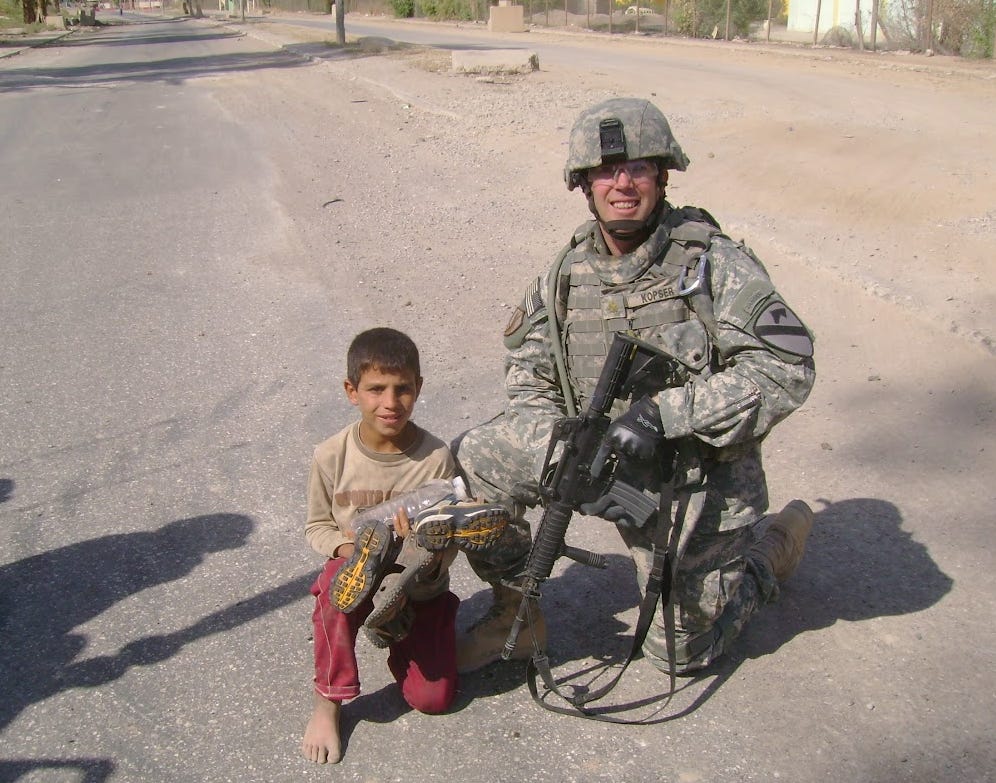
Some political voices are now using this tragedy to call for freezing asylum cases or blocking visas for Afghans who served alongside our military. That is not a security response. That is politics. Asylum seekers are already here. They’ve already been screened. Pausing their cases doesn’t protect anyone. And halting Special Immigrant Visas breaks promises we made to people who risked their lives for Americans in uniform. Every future partner we may need in a conflict is watching how we handle this moment.
The truth is, Afghan evacuees went through some of the most extensive vetting our government has ever done — multiple agencies, multiple screenings, and multiple years of checks. We should always review the process after a serious incident, but the answer is targeted improvements: better information sharing, stronger recurrent vetting, and better mental health support for people carrying the trauma of war. That’s what keeps people safe. That’s what force protection actually looks like.
Collective punishment doesn’t work. It erodes trust, discourages cooperation with law enforcement, and sends the wrong message to allies we may rely on again. It doesn’t make us safer — it makes us smaller.
There’s another piece that often gets overlooked. When moments like this shake a community, we have to recommit to giving our kids a sense of purpose and belonging. Robert D. Putnam has written for years that one of the best measures of a society is how it treats its children: the opportunities we give them, the mentors they can turn to, the communities they can be part of. Kids who feel connected and supported grow up to strengthen the communities around them. Kids who don’t are left to navigate the cracks alone — and those cracks eventually show up everywhere else.
We can be secure and still keep our commitments. That means following evidence instead of fear, holding individuals accountable rather than entire communities, investing in trust rather than suspicion, and giving the next generation the chance to grow with the social capital Putnam reminds us is essential to a healthy democracy.
That’s the country we should aspire to be. And honestly, it’s the only strategy that works.
A note to brighten your day: if you need something grounding and thoughtful, listen to EconTalk with Russ Roberts — especially the episode about the perfect tuba. It’s a surprisingly powerful metaphor for excellence, patience, and the long game of building a meaningful life and community. A good reminder of what matters, especially in weeks like this.
Take care,
Joseph
Co-Founder of USTomorrow
P.S. This moment brings me back to something I wrote back in 2012 about Afghanistan and how our energy policy, our economy, and our commitments abroad are all connected. Even then, I argued that we can’t solve hard problems without trust, community, and keeping our word. That still holds true today.
We should probably stop having genocidal and death-squad allies, too. Any thoughts on that?