


I was too young to know Martin Luther King Jr..
But I was lucky enough to be shaped by someone he deeply influenced.
Her name was Mrs. Audrey Grevious—my sixth-grade teacher at Maxwell Elementary School. And on this MLK Day, I want to honor them both.
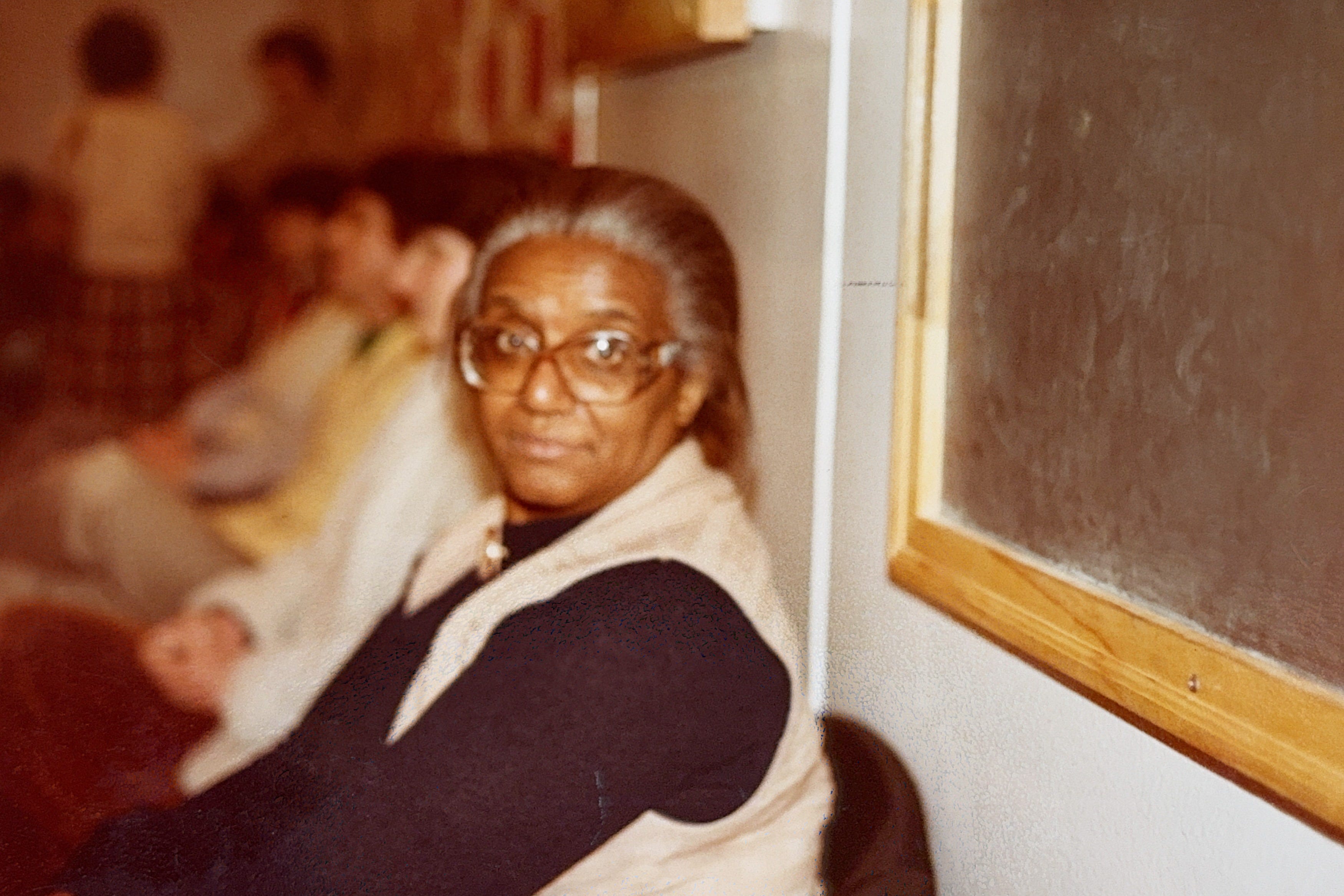
Back in 2020, the week John Lewis passed away, I shared a short video tribute to Mrs. Grevious. Today, I’m reposting it—not as nostalgia, but as a reminder. The truths from that moment still hold. Maybe even more so now.
Mrs. Grevious lived in the same era as John Lewis. She sat at lunch counters demanding equal service. She stood up, quietly and consistently, for dignity and fairness. But what made her extraordinary to generations of students wasn’t only her place in history—it was how she showed up for us, personally.
She knew us. She remembered our names. She cared about who we were becoming.
Whether it was her favorite annual production (the Nativity), overseeing graduation, or reminding a bunch of awkward sixth graders that clip-on ties could, in fact, be cool—she made sure every one of us felt seen. More importantly, she taught us something simple and enduring:
When you see a problem, go fix it.
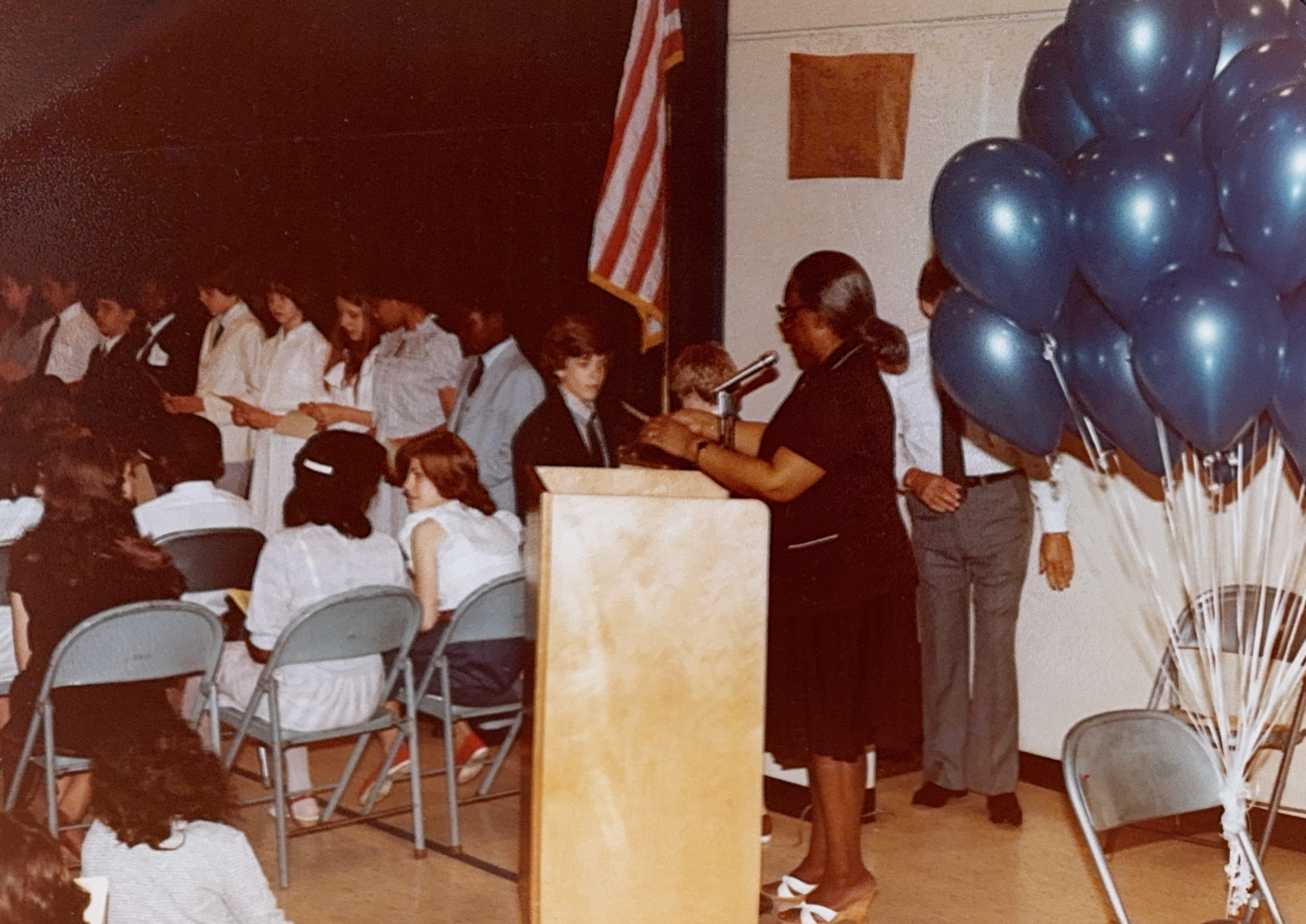
That lesson stuck.
When I later watched Good Trouble, the documentary about John Lewis, the connection clicked even more clearly. For people alive today who struggle to understand the anger, the frustration, or the urgency they see around them, Lewis’s life offers context. He didn’t protest because it was fashionable. He protested because democracy demanded participation—and courage.
That, to me, is the through-line.
From MLK, to John Lewis, to Mrs. Audrey Grevious. From lunch counters, to classrooms, to ballots cast. American history isn’t a straight line. We’ve had progress and setbacks, hope and heartbreak. But we grow better together when we remember that democracy is a shared project.
If this moment feels confusing—or heavy—I’ll offer two simple suggestions. First, learn the history. Watch the films. Read the stories that explain how we got here. Second, listen.
One place to start is with my friend and mentor, Rick Lynch. He hosts leadership tours of Selma, Alabama and it’s reported to be quite moving for all those involved. He writes:
An immersive event for your team to develop leadership skills through the lens of the Civil Rights Movement and the events that occurred in Selma, Alabama.— Rick Lynch
MLK Day isn’t just about remembering a great man. It’s about honoring the teachers, mentors, and quiet leaders who carry those ideals forward—one classroom, one conversation, one act of courage at a time.
Today, I’m grateful for all of them.
—Joseph